Vegetation Disease Detector
A deep learning model using Convolutional Neural Networks (CNNs) to detect and classify diseases in vegetation based on leaf images, achieving 98% training accuracy.
Introduction
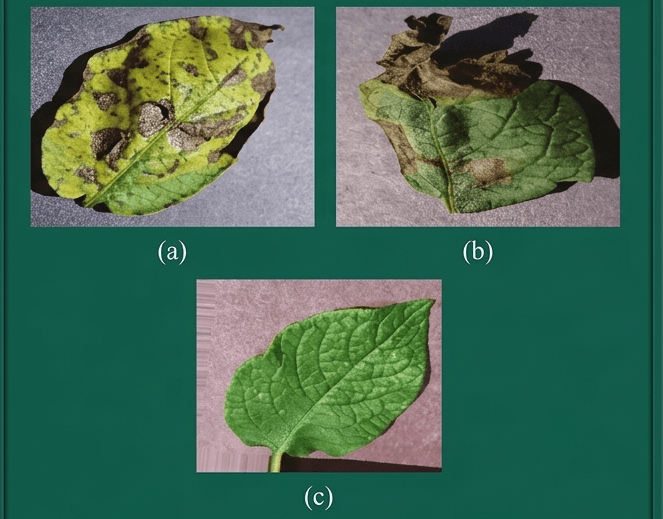
As Nepal is an agricultural-focused country, common vegetation such as potatoes, tomatoes, and bell peppers are frequently affected by several viruses and bacteria. To combat this problem and detect common diseases early, I developed a machine learning model focused on image processing and Convolutional Neural Networks (CNNs).
Exploratory Data Analysis
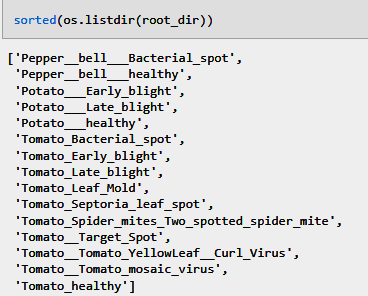
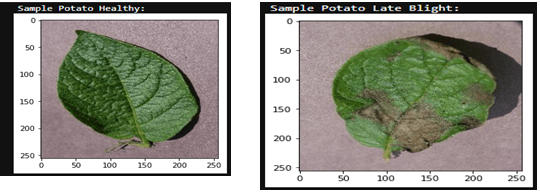
The first step was exploring our dataset (sourced from Kaggle). The main purpose of the EDA was to help us better understand the patterns the network would need to find. The dataset contained 15 different conditions of vegetation, ranging from healthy leaves to those with slight mold or bacterial infections, totaling over 20,638 images.
Architecture & Preprocessing
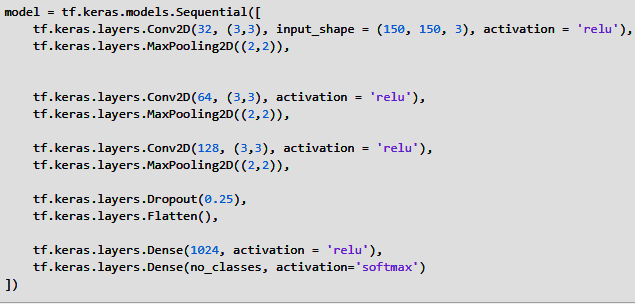
Images were preprocessed using TensorFlow's ImageDataGenerator to handle standard augmentations and normalizations efficiently. For the network architecture, I designed a Sequential model utilizing three 2D Convolutional layers, each followed by a Max Pooling layer. This fed into a 25% dropout layer, a flattening layer, and a dense 1024-neuron hidden layer, finally outputting to a 15-neuron softmax layer corresponding to our target classes. The model comprised roughly 38 million trainable parameters.
Results
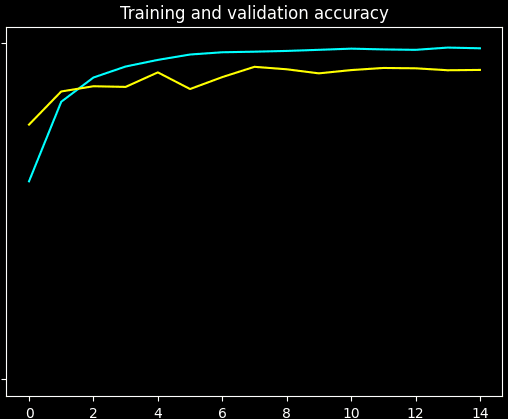
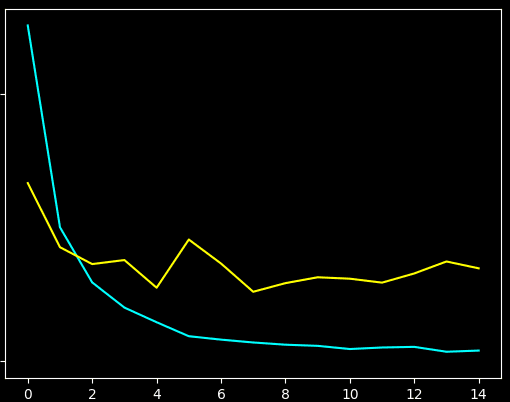
After training with the Adam optimizer and categorical crossentropy loss, the model achieved exceptional results:
- Training Accuracy: 98% (Loss: 0.0408)
- Validation Accuracy: 92% (Loss: 0.3488)